Which one is more reliable, foam-filled fender or pneumatic fender?
1. Core Performance Comparison
|
Feature |
Foam-Filled Fender |
Inflatable Fender |
|
Cushioning Mechanism |
Solid foam (e.g., polyurethane/EVA) absorbs energy through material deformation. High density, high load-bearing. |
Relies on compressed air for cushioning. Low surface pressure (up to 0.14 MPa), stable performance in oblique impacts. |
|
Durability |
No risk of air leakage, strong corrosion resistance, but may degrade with long-term exposure. |
Requires regular air pressure checks, risk of bursting, but outer cover can be reinforced. |
|
Ideal Use Cases |
Fixed docks, frequent ship berthing with high reaction force requirements. |
Large vessels, offshore transfer, floating docks with significant tidal changes. |
|
Maintenance Cost |
Almost no maintenance, long lifespan. |
Requires regular checks for air pressure and surface wear, higher maintenance costs. |
------
2. How to Choose?
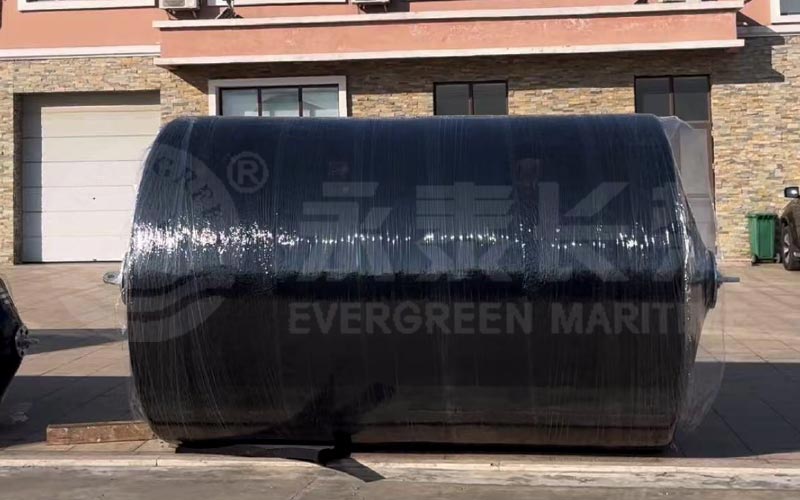
• Choose foam-filled fenders when:
Long-term, stable protection is needed with minimal maintenance.
High-impact frequency and high reaction force are required (e.g., commercial docks).
Corrosive environments (e.g., seawater, chemicals).
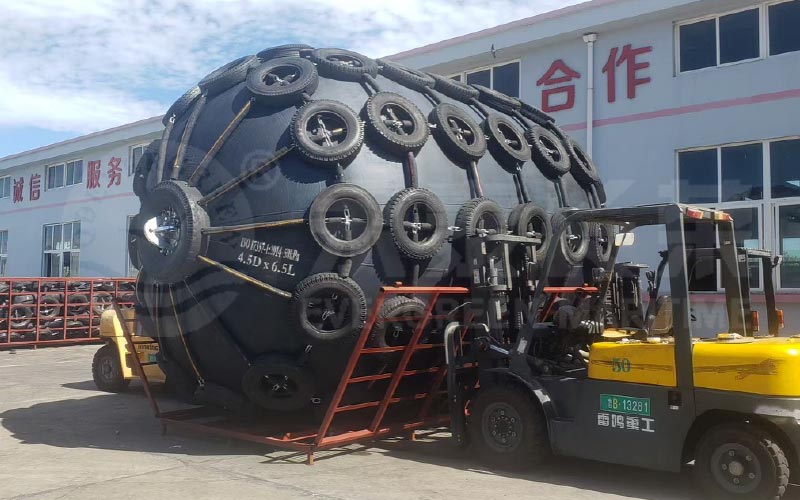
• Choose inflatable fenders when:
Lightweight, low-pressure cushioning is needed (e.g., yacht docking).
Tidal changes or water level fluctuations are significant.
Temporary projects or rapid deployment are required.
------
3. Key Considerations
• Certification Check:Verify manufacturer credentials (e.g., ISO certification) and product test reports to avoid low-quality products.
• Installation Match:Select fender types based on dock structure (e.g., D-type fenders for framed docks).
• Environmental Suitability:Choose weather-resistant materials for extreme temperatures or high UV exposure.
------
4. Summary
• Foam Fenders:More reliable for long-term, high-intensity fixed installations.
• Inflatable Fenders:More flexible for dynamic, variable environments.
Final Recommendation:Base your choice on specific needs. For "maintenance-free" reliability, foam-filled fenders are superior. For adaptability to complex conditions or flexible deployment, inflatable fenders are the better option.